

google ai-agents ai-research
Google VERID Framework: AI Agents in Wet Labs
Discover how Google's VERID framework uses digital twins to enable AI agents to safely run biological experiments with improved accuracy and speed.
· 3 min read
Articles in
Discover how Google's VERID framework uses digital twins to enable AI agents to safely run biological experiments with improved accuracy and speed.
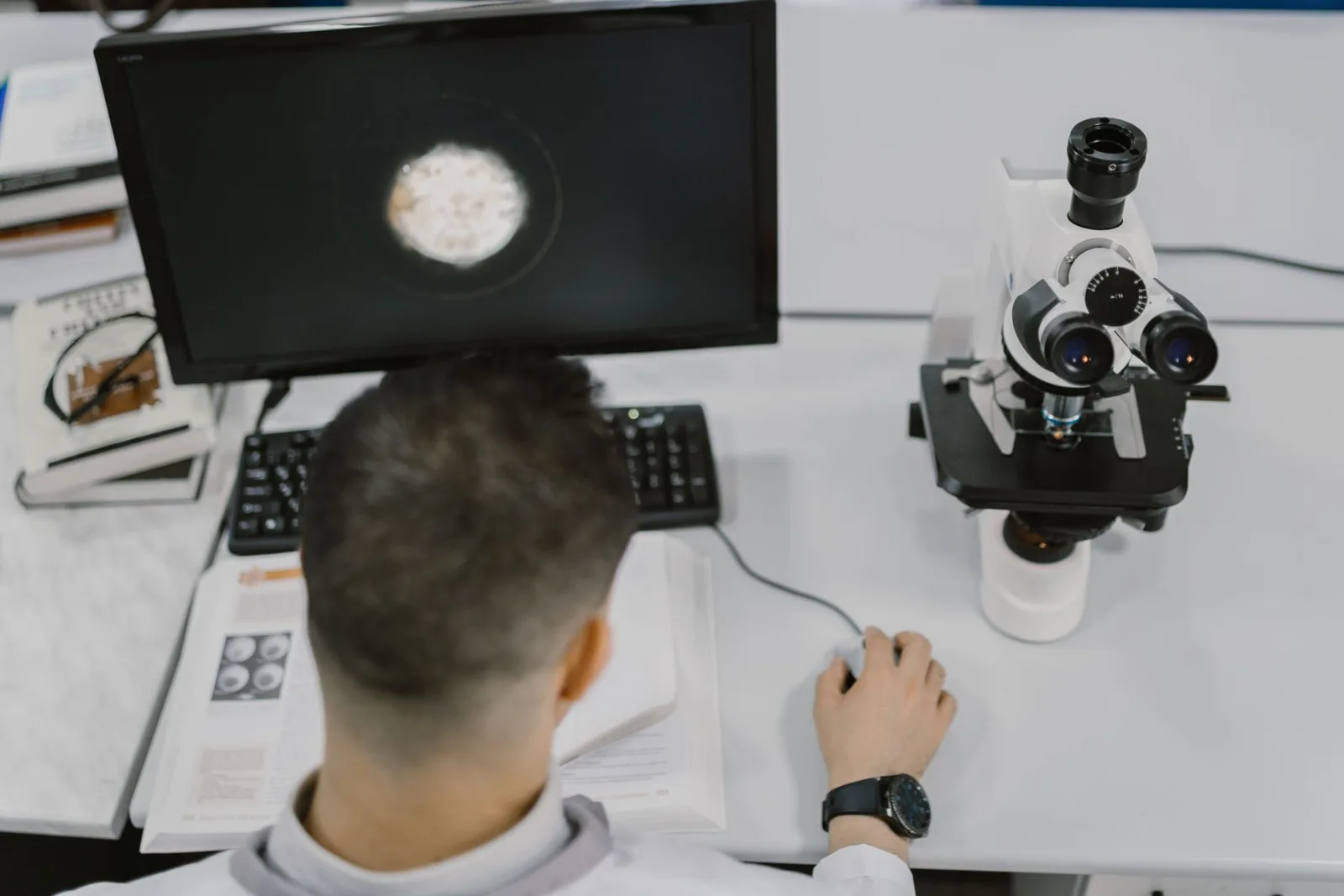
Can AI predict new antibiotics before lab tests? Google DeepMind's Antigravity identifies candidates rapidly, but wet-lab validation remains essential for proof

A new benchmark reveals that even top AI agents fail to sustain long-term strategy in the complex deck-building game Slay the Spire, lagging behind expert humans as games progress despite strong early performance.

Discover why AI data science agents fail in production despite high accuracy. Learn about silent failures and data leakage risks in agentic systems.

Boost coding agents reliability with SWE-bench insights. Learn how teaching location and edit diversity improves efficiency and reduces compute costs.
Proxy Confidence audits black-box LLM agents using surrogate models. Achieve higher accuracy than self-reporting with this open-source auditing method.

In October 2026, OpenAI disclosed disruptions of two influence operations using AI to support deceptive journalistic fronts—one linked to Russia, the other to Iran. The report details how fake think tanks and fabricated bylines were used to infiltrate media outlets, though specific severity ratings and tactical claims,

OpenAI is offering up to $1 million per project in grants for independent academic research on how generative AI affects teenagers aged 13–17, with applications open from September 8 to October 6, 2026 [1][2].

OpenAI has launched a program providing eligible academic researchers with free access to its advanced AI models, aiming to support scientific inquiry and collaboration.