
OpenAI’s $5M Teen AI Research Grants: What It Costs and Who Qualifies
OpenAI is offering up to $1 million per project in grants for independent academic research on how generative AI affects teenagers aged 13–17, with applications open from September 8 to October 6, 2026 [1][2].
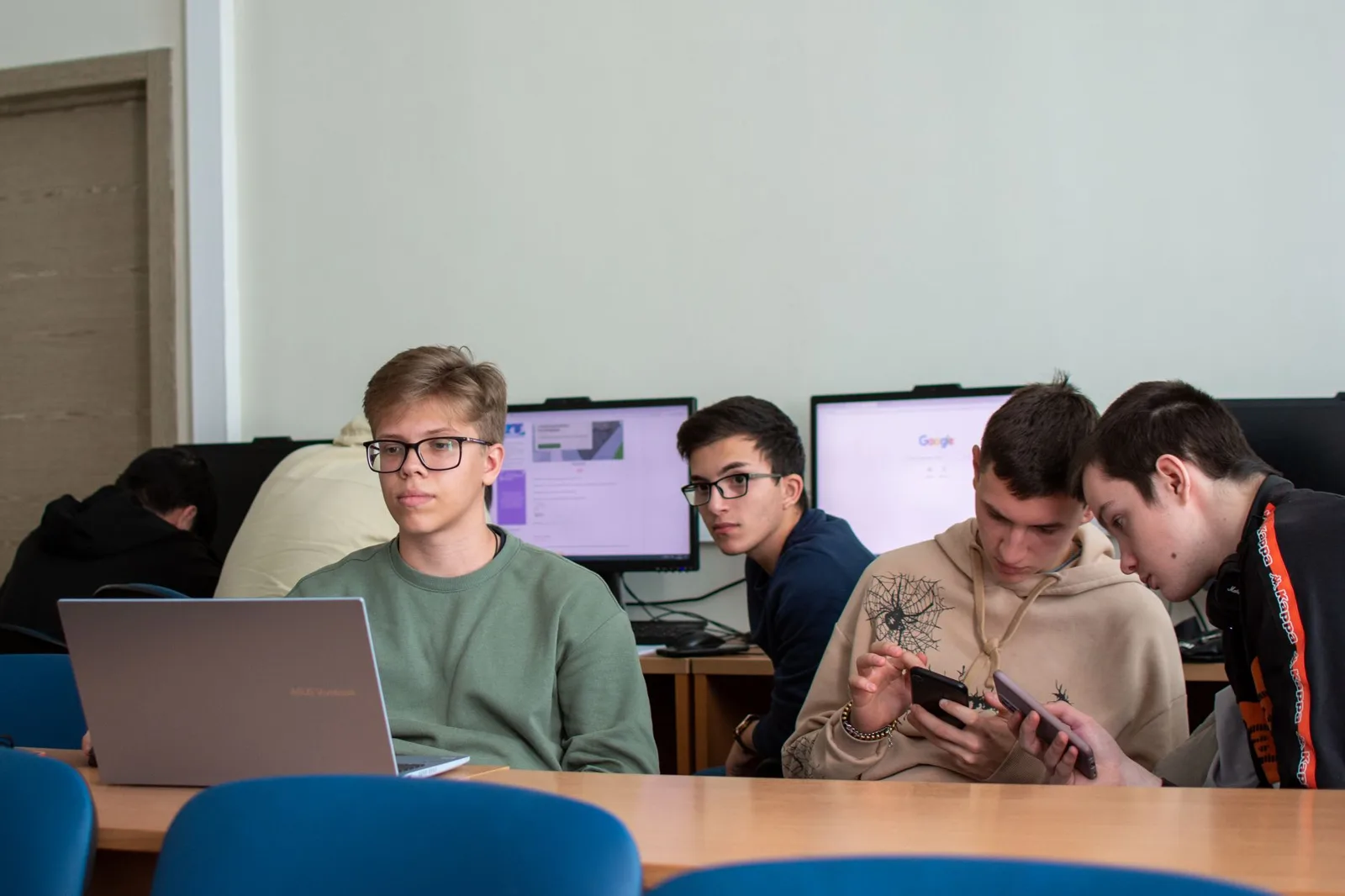
OpenAI Launches $5M Initiative to Study GenAI’s Impact on Teenagers
OpenAI has launched a $5 million grant program to fund independent academic research into how generative AI influences the social and emotional development of teenagers aged 13 to 17 [1][2]. The initiative aims to build a stronger evidence base around safety, well-being, and long-term effects of AI use during adolescence, rather than focusing on commercial tool development.
What It Costs and Who Qualifies
Each research project can receive up to $1 million in funding, with the total program capped at $5 million across all grants [1]. This means OpenAI is allocating five full-scale grants or a mix of smaller projects within that limit. The funding supports non-commercial academic inquiry only, explicitly prioritizing independent research over for-profit ventures [1].
Eligible applicants must be at least 18 years old and affiliated with an accredited institution, such as a university or research lab, or demonstrate significant professional experience in relevant fields like child psychology, education, data science, or developmental neuroscience [1]. This ensures that funded work comes from qualified researchers capable of conducting rigorous, ethical studies.
How to Apply: Timeline and Process
Applications opened on September 8, 2026, and closed at 11:59 PM Pacific Time on October 6, 2026 [1][2]. The program does not accept unsolicited proposals outside this window. Researchers must submit their full proposals through OpenAI’s official portal at openai.smapply.org [1].
Selected projects will be reviewed by an independent panel of experts in adolescent development, ethics, and AI safety. While the exact selection criteria are not publicly detailed beyond academic rigor and alignment with the program’s goals, emphasis is placed on studies that can produce measurable insights into real-world impacts—such as changes in self-esteem, social interaction patterns, or mental health indicators—linked to daily generative AI use among teens.
Why This Matters: The Gap in Teen AI Research
Despite widespread adoption of tools like ChatGPT and image generators among teenagers, there is limited peer-reviewed research on how these technologies shape identity formation, emotional regulation, and interpersonal relationships during critical developmental years [2]. Most existing studies rely on self-reported data or short-term experiments, lacking longitudinal depth.
By funding independent academic work, OpenAI seeks to fill this gap. The grants are not intended to influence outcomes but to support transparent, reproducible science that can inform future policy, product design, and educational practices. This approach reflects growing industry recognition that AI’s societal impact—especially on vulnerable groups like teens—requires proactive, evidence-based oversight.
OpenAI’s Broader Role in AI Safety Research
This grant program is part of a wider trend where leading AI labs invest in third-party research to assess risks beyond their own internal testing. Unlike internal evaluations, independent studies reduce bias and increase public trust [1]. Other initiatives include Anthropic’s safety research grants and Google DeepMind’s collaboration with academic institutions on AI alignment.
However, critics note that OpenAI’s funding does not extend to projects involving commercial applications or tools designed for teen users—meaning the research will focus on understanding impacts rather than building protective technologies. Still, the program sets a precedent: major AI developers are beginning to treat societal impact studies as core components of responsible innovation.
Looking Ahead
The first round of funded projects is expected to begin in early 2027, with results shared publicly through OpenAI’s research repository and academic journals [1]. These findings could shape future guidelines for educators, parents, and regulators on safe AI use among adolescents. As generative AI becomes embedded in classrooms, social platforms, and personal routines, such evidence will be essential in guiding long-term decisions about access, design, and oversight.
Sources
- OpenAI (openai.smapply.org) — 2026-09-08
- OpenAI commits $5m for research into how GenAI affects the lives and development of teenagers — EdTech Innovation Hub (www.edtechinnovationhub.com) — 2026-09-11