
OpenAI’s New Visual Ads vs. ChatGPT Work: What Changed and What It Costs
OpenAI has rolled out visual ad formats in ChatGPT with enhanced measurement tools, while also expanding AI agent capabilities through ChatGPT Work—raising questions about privacy and monetization as the platform evolves into a transactional hub.
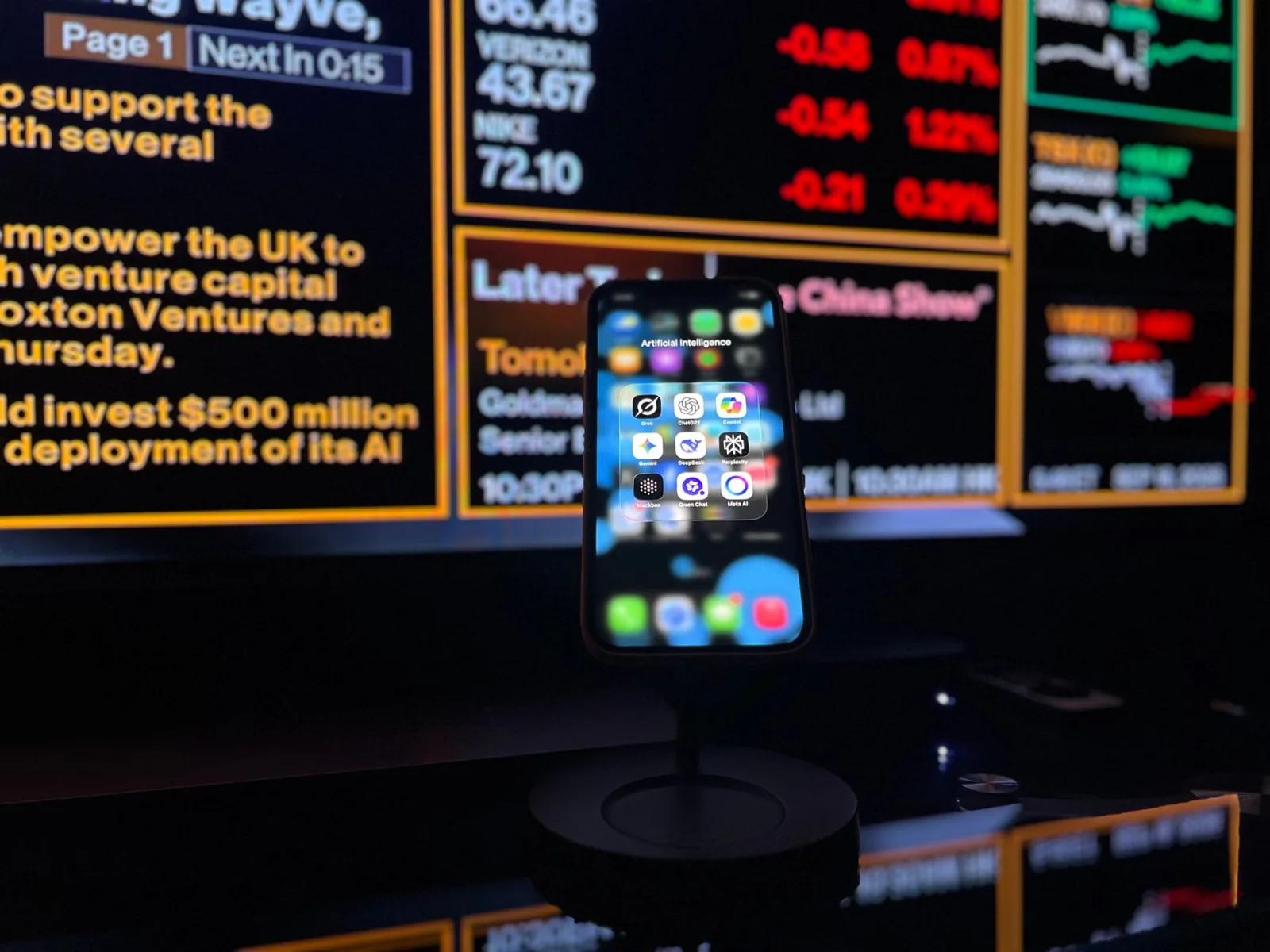
TL;DR: OpenAI launched visual ads in ChatGPT on October 5, 2026, aiming to transform the platform into a transactional commerce hub. This strategic pivot raises significant privacy concerns as it expands AI agent capabilities through ChatGPT Work.
Key facts
- OpenAI announced new visual ad formats in ChatGPT on October 5, 2026, featuring product inspiration images rather than user-generated content.
- The US rollout is scheduled for later in October 2026, following initial trials in May 2026 that tested dynamic call-to-action buttons and e-commerce displays.
- OpenAI integrated with data partners including Hightouch, Tealium, LiveRamp, DoubleVerify, and Integral Ad Science to enhance measurement and brand safety tracking.
- ChatGPT Work was launched in August 2026, enabling AI agents to autonomously manage digital workflows like email and Slack messages.
- Benji Shomair, OpenAI’s VP of monetization, emphasized that creative variation and contextual relevance are critical for success in conversational advertising.
OpenAI Unveils Visual Ads and Expands Agent Capabilities
OpenAI has introduced a new visual ad format within ChatGPT, marking a shift toward more immersive and interactive advertising experiences. The update, announced on October 5, 2026, features images that depict product inspiration or usage scenarios rather than user-generated content [1]. These ads are designed to blend into the conversational interface while maintaining clear labeling to distinguish them from organic interactions.
The visual format is set to launch in the United States later in October 2026, initially with a select group of advertisers. This rollout follows earlier testing in May 2026, when OpenAI began trialing enhanced visuals including larger images, dynamic call-to-action buttons such as ‘shop now’ or ‘book now’, and a dedicated e-commerce display that shows pricing and customer reviews [2].
Measurement and Attribution Infrastructure
To support advertisers, OpenAI has expanded its measurement capabilities by integrating with data partners including Hightouch, Tealium, LiveRamp, DoubleVerify, and Integral Ad Science. These partnerships enable tracking across pixels, the Conversions API, attribution models, and brand suitability evaluations [1]. The inclusion of DoubleVerify and Integral Ad Science signals ongoing pilots to assess ad safety and alignment with brand guidelines.
Benji Shomair, OpenAI’s VP of monetization, emphasized that creative variation is essential for success in conversational advertising environments, where relevance and context matter more than broad reach [2].
ChatGPT Work: AI Agents for Productivity
Alongside ad developments, OpenAI has advanced its AI agent ecosystem. In August 2026, the company launched ‘ChatGPT Work’, a feature allowing AI agents to autonomously manage digital workflows such as email and Slack messages [4]. Thibault Sottiaux, who leads core product work including this initiative, describes it as a tool for autonomous task completion [4].
While specific pricing details for ChatGPT Work are not confirmed in the provided sources, the feature is part of OpenAI’s broader strategy to deepen user engagement through AI-driven automation. Lead engineer Andrew Ambrosino has acknowledged the privacy risks involved in granting agents access to sensitive systems like email and Slack but continues to test the functionality using his own accounts [4].
Strategic Implications
Industry observers note that OpenAI’s advertising evolution reflects a broader trend: moving from reach-based marketing to utility-driven engagement. Camila Cook argues that in AI-native environments, usefulness and contextual relevance outweigh volume and frequency [3]. As ChatGPT becomes both a productivity tool and an ad platform, the balance between user trust, data privacy, and monetization will remain a critical challenge.
The integration of transactional features with advertising signals suggests OpenAI is positioning ChatGPT not just as a conversational interface, but as a central hub for consumer intent and digital commerce.
Sources
- OpenAI Introduces Visual ChatGPT Ad Format and Expanded Measurement (www.unite.ai) — 2026-10-05
- OpenAI gives ChatGPT ads a visual upgrade (digiday.com) — 2026-05-21
- OpenAI is building AI agents for everything. Will everyone use them? | TechCrunch (techcrunch.com) — 2026-08-24
- OpenAI’s approach to advertising is a meaningful signal for the future of omnichannel demand generation and brand strategy. | Camila Cook (www.linkedin.com) — 2026-01-16