
OpenAI Georgia Data Center: Transparency Protests Explained
OpenAI's $20B Georgia data center sparks protests over transparency and environmental impact. Learn about Project Camellia's benefits and local community push.
TL;DR: OpenAI’s $20 billion Project Camellia in Georgia faces protests over transparency despite promising thousands of jobs. The controversy highlights the tension between rapid AI expansion and local governance demands.
Key facts
- OpenAI announced Project Camellia, a $20 billion data center campus in Effingham County, Georgia, with an investment described as the largest taxpayer contribution in county history.
- The facility will span 2,600 acres at the Savannah Gateway Industrial Hub near Rincon and is designed to deliver a power capacity of 3.2 gigawatts (GW).
- Construction is scheduled to begin in late 2026, with operations expected to start by 2028 as power delivery ramps up in phases through 2032.
- OpenAI has pledged $80 million in community benefits over the project’s life, including up to $71 million in credits for its AI coding assistant, Codex, for eligible Georgia students.
- To mitigate environmental impact, OpenAI plans to use closed-loop cooling systems and cover all infrastructure and electric-service costs without subsidizing Georgia families.
- The company committed to annual independent public audits to track progress on community benefit commitments and ensure accountability regarding its promises.
A $20 Billion Gamble: OpenAI’s Project Camellia Sparks Debate in Georgia
OpenAI has announced “Project Camellia,” a massive new data center campus slated for Effingham County, Georgia, with an estimated investment of $20 billion [1][2]. Described by local officials as the largest taxpayer investment in the county’s history, the project promises thousands of jobs and hundreds of millions in tax revenue once it becomes operational in 2028 [1][3].
However, the announcement has ignited intense controversy. Residents are protesting what they view as a lack of transparency, citing concerns over environmental impacts, noise pollution, and potential strain on local infrastructure [3]. While OpenAI has pledged significant community benefits and responsible energy practices, tensions remain high between the tech giant’s rapid expansion goals and the local community’s demand for inclusive decision-making.
The Scale of Project Camellia
Project Camellia will be built at the Savannah Gateway Industrial Hub near Rincon [1][3]. The campus will cover 2,600 acres and is designed to deliver a power capacity of 3.2 gigawatts (GW) [3][5]. Construction is scheduled to begin in late 2026, with operations expected to start by 2028 as power delivery ramps up in phases through 2032 [2][5].
Aaron McLear, OpenAI’s Vice President, stated that the facility will become Effingham County’s largest taxpayer once online [1][3]. The project is projected to create thousands of jobs during construction and permanent on-site roles afterward, with a commitment to prioritize local contractors [1][4].
Community Backlash and Transparency Concerns
The primary source of friction is the timing and secrecy of the negotiations. Tim Callanan, Effingham County Manager, revealed that OpenAI approached the county directly in January 2026 without using a third party or pseudonym [2]. Because the land was already zoned for industrial use, local officials noted their regulatory role at this early stage was limited to site determination [1][2].
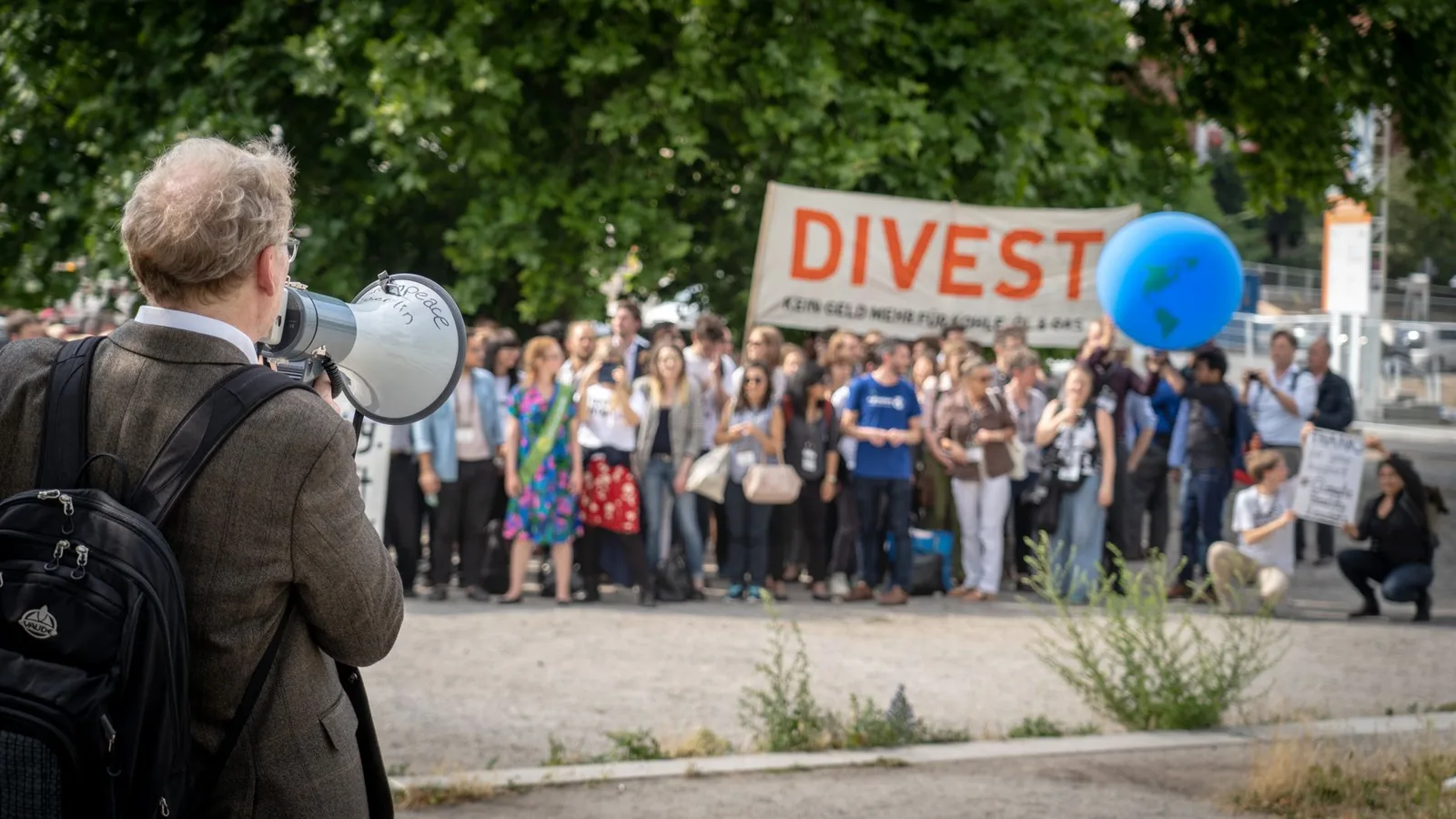
This legal technicality did little to soothe public anger. During an open house at Effingham College and Career Academy, hundreds of residents protested [3]. Many expressed frustration over being excluded from the process, describing the lack of prior consultation as undemocratic [3]. Key concerns raised by the community include noise pollution, water consumption, electricity costs, and the broader ecological footprint of such a massive industrial site [1][3].
OpenAI’s Commitments: Energy, Money, and Access
In response to these criticisms, OpenAI has outlined several measures aimed at mitigating environmental impact and providing direct benefits to Georgia residents.
Responsible Energy Use
OpenAI asserts that Georgia families will not subsidize the project. The company plans to cover all infrastructure and electric-service costs, adhering to Public Service Commission rules [4][5]. To reduce its environmental footprint, OpenAI states the facility will use closed-loop cooling systems [4][5]. This method aims for ongoing water usage comparable to a similar-sized office building, avoiding the higher consumption rates associated with traditional open-loop cooling methods [4][5].
Community Investment and Codex Access
Beyond infrastructure, OpenAI has pledged $80 million in community benefits over the life of the project [4][5]. A significant portion of this investment focuses on education. The company is committing up to $71 million in credits for “Codex,” its AI coding assistant, for eligible Georgia students [4][5]. This initiative aims to provide local youth with hands-on experience in AI development tools.
To ensure accountability, OpenAI has committed to an annual independent public audit to track progress on these community benefit commitments [4][5].
Broader Implications for the AI Ecosystem
The conflict in Effingham County highlights a growing national debate over AI infrastructure. As demand for computational power surges, the balance between rapid technological expansion and local governance becomes increasingly strained [3].
For Southeast Asia, this case offers critical lessons. The region is emerging as a hub for data center development, with countries like Singapore, Malaysia, and Thailand competing to attract tech investments. The Effingham County experience underscores that economic incentives alone are not enough; transparent community engagement and demonstrable environmental stewardship are essential for long-term social license to operate.
While OpenAI vice president Aaron McLear told The Current that Project Camellia is “a done deal” and “the right fit for everyone” [3], the road ahead is contentious. The company’s ability to deliver on its promises of responsible infrastructure and genuine community partnership will be closely watched by residents, regulators, and tech companies worldwide.
Sources
- AI project touted as ‘Largest taxpayer in Effingham County history’ (www.savannahnow.com) — 2026-07-24
- Effingham County manager details OpenAI data center process (www.wsav.com) — 2026-07-25
- OpenAI data center project sparks outrage among Effingham County residents - The Current (thecurrentga.org) — 2026-07-23
- OpenAI’s $20B Georgia Data Center: A Model for Responsible AI Infrastructure | Cameron Clay posted on the topic | LinkedIn (www.linkedin.com) — 2026-07-25
- OpenAI Newsroom (@OpenAINewsroom) on X (x.com) — 2026-07-22